

Memorial Day 2026
appreciating sacrifice

Social media and news sources abound with electrons in support of and in opposition to a golden arch at the end of Memorial Bridge near the hallowed grounds of Arlington Cemetery. The bridge connects Northern Virginia with the District, flowing eastbound traffic across the Potomac River toward the Lincoln Memorial. I have actually been around long enough to recall when we could drive around that majestic reminder of the nation’s 16th president.
One of the reasons one no longer drives around that imposing memorial was the creation, following years of national trauma, of a site to remember those who sacrificed, often without much appreciation, in Southeast Asia. The Vietnam Veterans’ Wall and associated statues lie quite near the nation’s memorial to President Abraham Lincoln.
For those too young to remember or those choosing to forget, “Vietnam” was a generation-long effort in the Cold War to prevent another nation from “falling like a domino”. The former French colony was far away and shrouded in profound ignorance on our part, but we assumed we could make it into a pro-U.S. democracy, despite incredible odds. Perhaps our first lesson was that money can’t buy everything in other places, though that is a controversial statement on its own. I do not intend to repeat all of the arguments that we had regarding our involvement in Laos, Cambodia, and Vietnam itself, but rather to remind all of us that it spanned five presidencies. Vietnam ripped this country apart as it dragged on before our armed forces left in 1973, hoping the civilian aid and a hapless Vietnamese political system could survive.
For years, the country failed to thank those who served because we blamed them for the decisions. Domestic differences over the war were so raw that we rarely taught about the war nor do we shower those who served with the appreciation that veterans received following the campaign to oust Saddam Hussein from Kuwait in 1990-91.
A Purple Heart recipient during Vietnam, Jan Scruggs, is often cited as a relentless force to raise money and push for a dedicated reminder of those who paid with their lives in Vietnam. Scruggs happens to lives four buildings from us in this small enclave in Eastport. Veterans live among us everywhere in this country yet many prefer not to seek attention for their service.
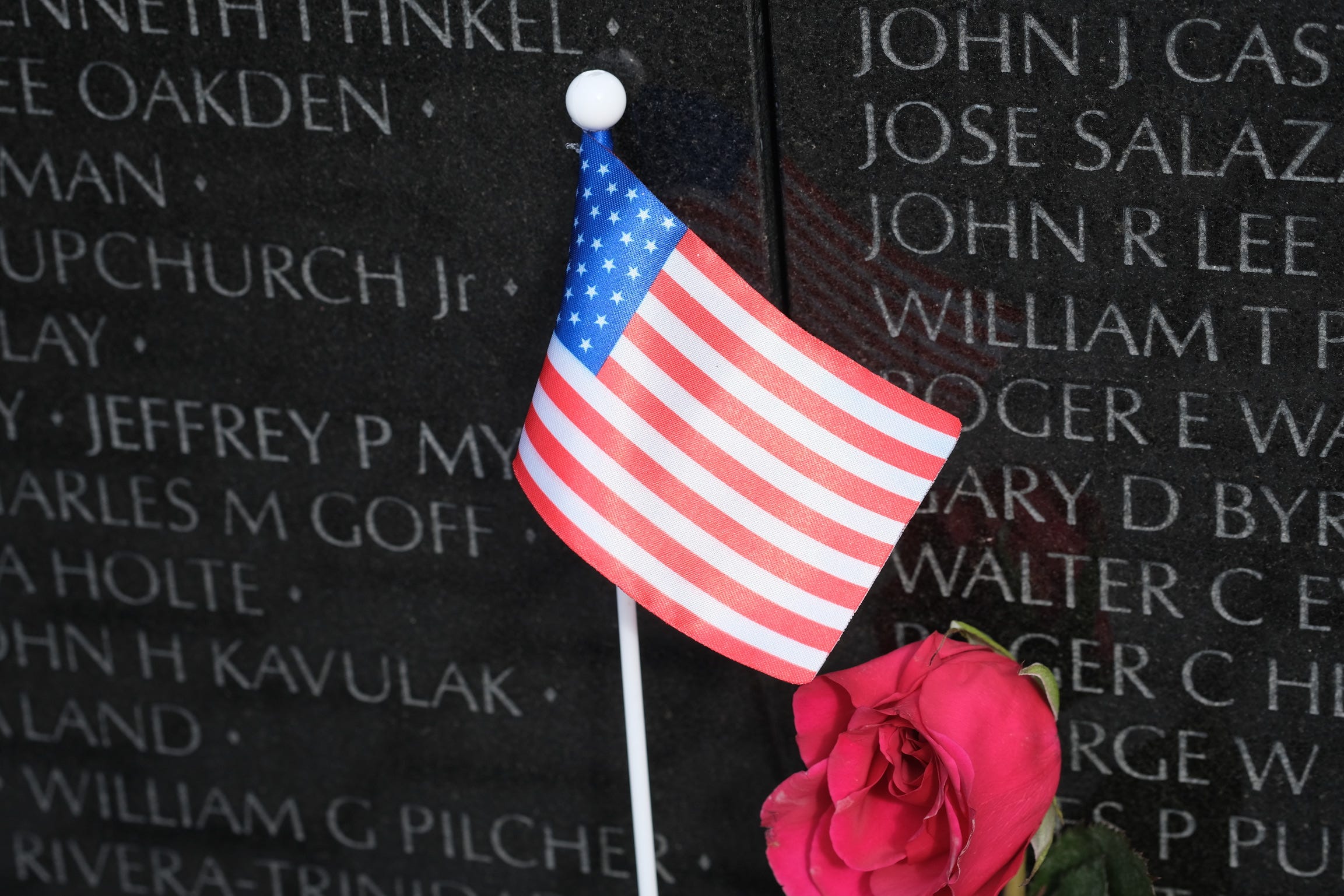
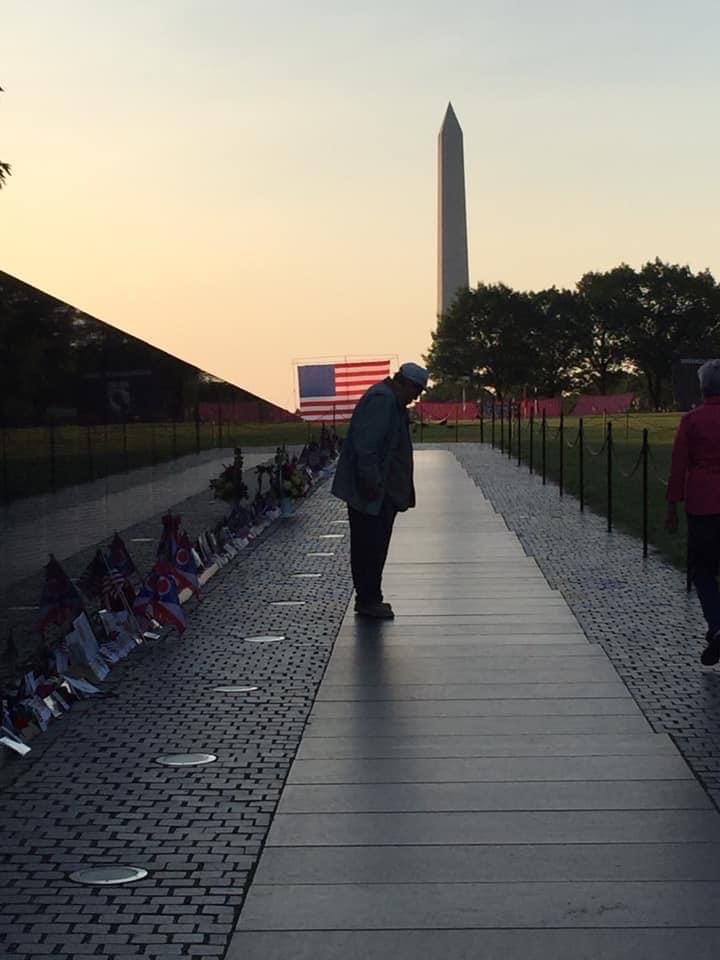
More than 3 million of U.S. volunteers and draftees filled the ranks of the Navy, Marine Corps, Air Force, Army, and Coast Guard serving in Southeast Asia over roughly fifteen years. Predominantly men, women served in several capacities, not the least the nursing ranks, where skill and incredible courage brought hope and treatment to the wounded regardless of gender.
Vietnam, the shorthand we apply for the experience between ~1960 and the fall of Saigon on 30 April 1975, is one of multiple conflicts where thousands of Americans gave the ultimate sacrifice.
If you have never visited The Wall, as it is frequently called, make the effort to do so at least once in your life, whether you served, someone in your family deployed, or—perhaps more importantly—you assume no connection to anyone who served there. The Vietnam War was genuinely a pivotal event in our national experience. A simple black marble wall with nearly 60,000 individual names etched upon it was a controversy when unveiled in 1982, as was so much of the war, but the hallowed site is as much a “must see” part of the Capitol as any other almost 45 years later.
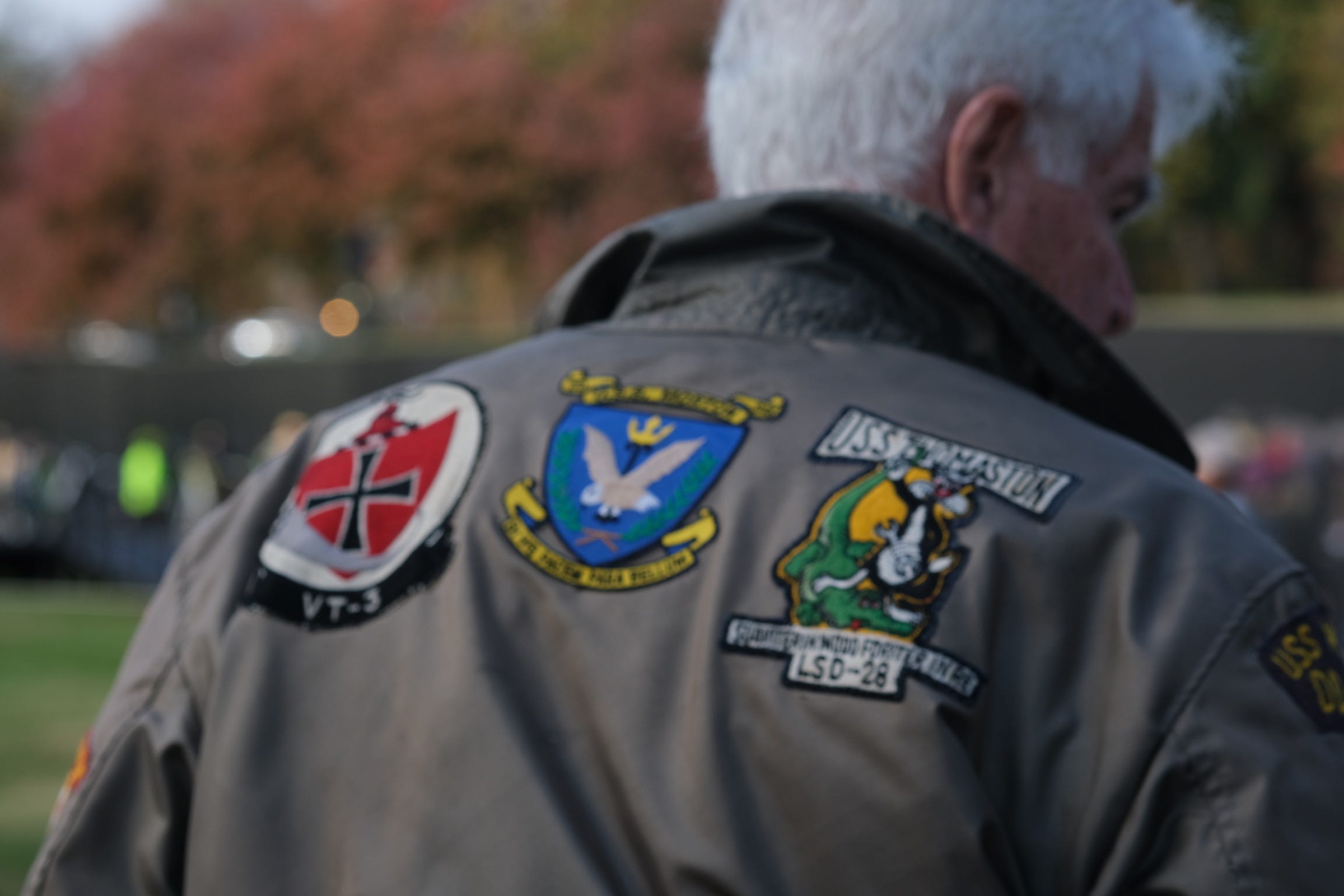
Be aware of the now white-headed veterans, frequently donning their wartime reminders, who still trace with their fingers the names of their friends who perished. Read the commemorative notes and flower displays. Many of these particular visitors leave teary-eyed as the memories of a conflict long passed yet still so vivid fill their minds and hearts.
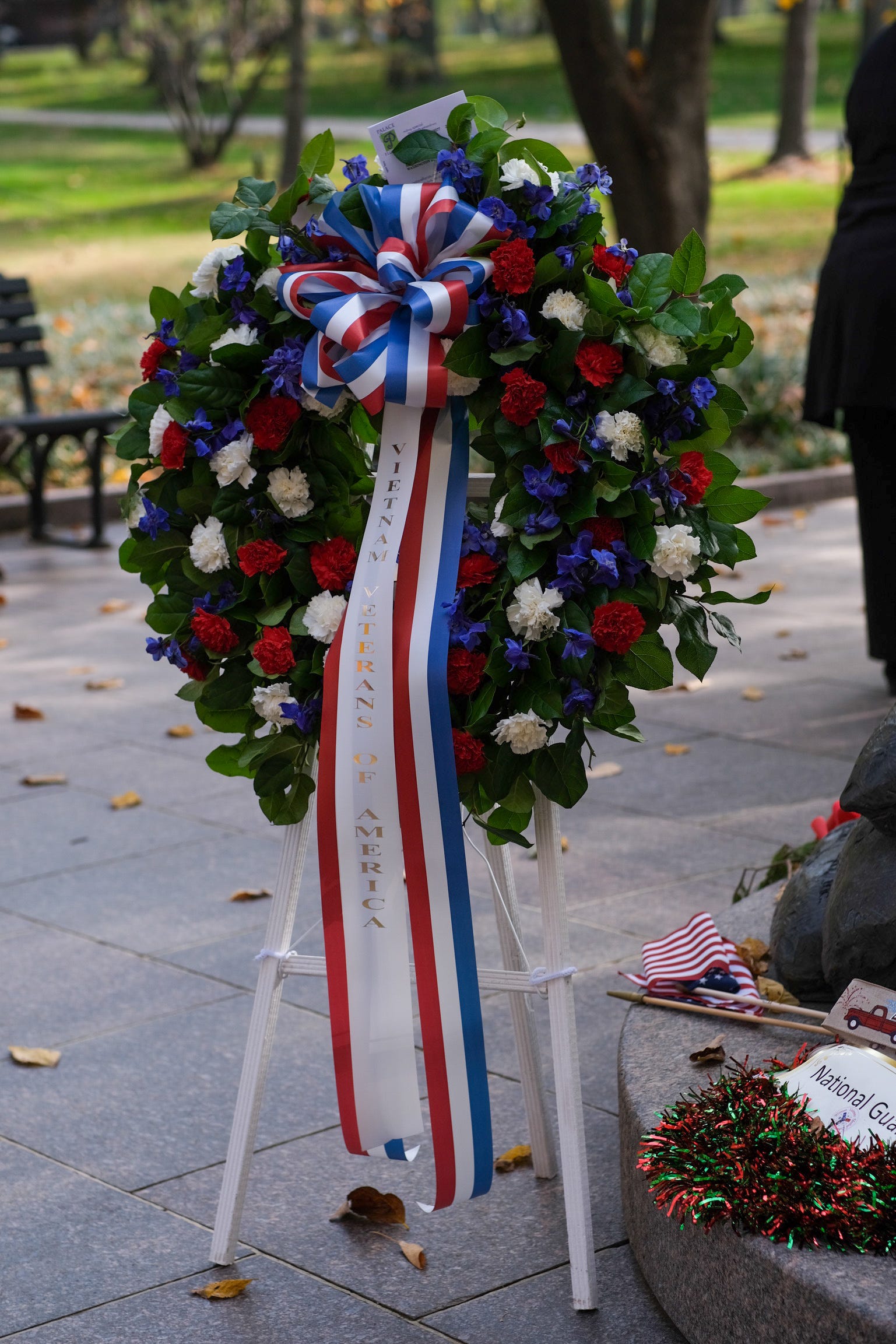
Examine the intimate momentos left by those who consider themselves graced by fate to have survived.
Make sure to stop not only at the statue of three soldiers but the one a few yards away of the nurses looking skyward while succoring the wounded.
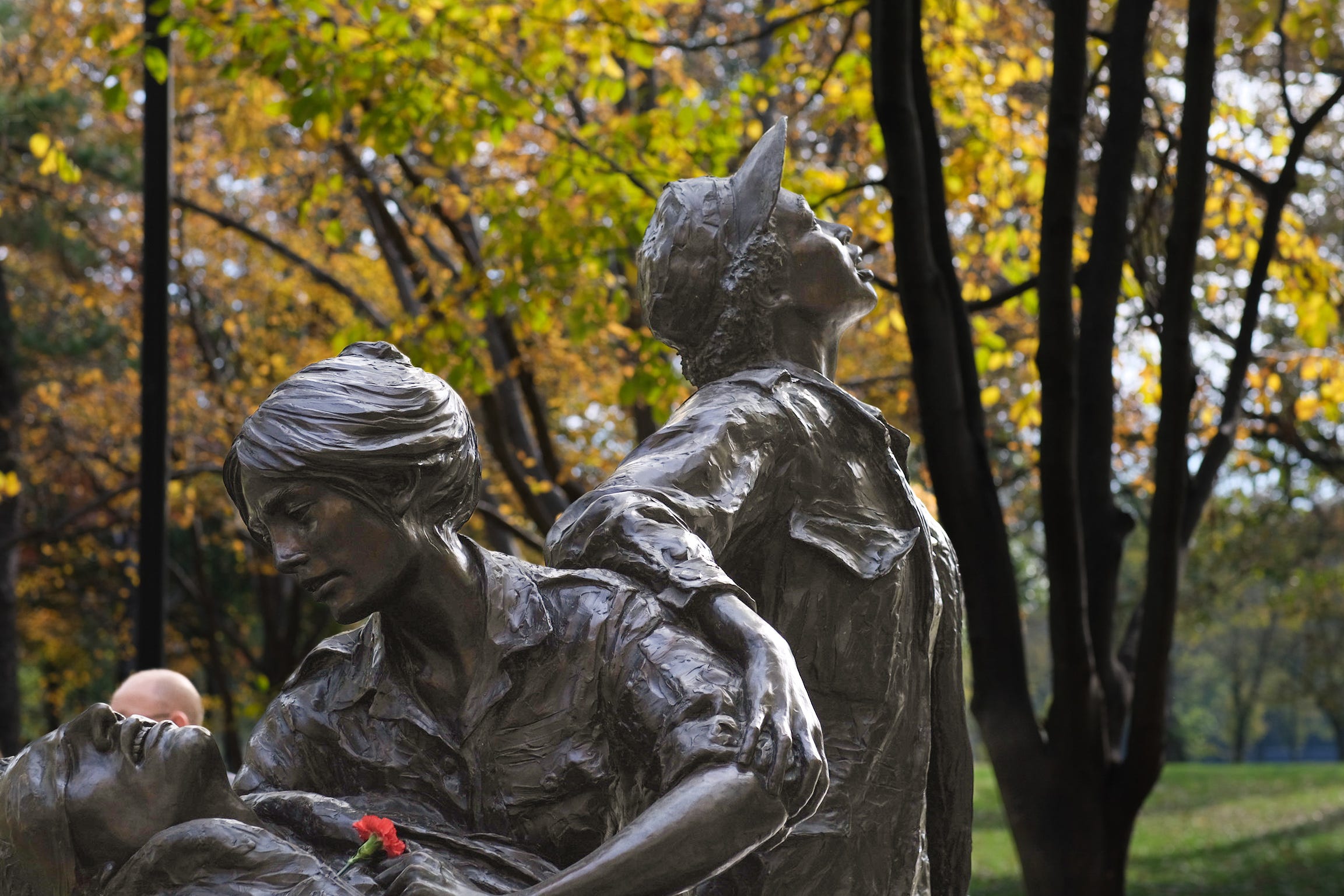
Following a visit to this moving site so searing in our history, one can easily proceed to the Korean War Memorial, the Lincoln Monument, or even the Martin Luther King site.
If you don’t come to Washington, D.C., go to a federal cemetery near your home, as there will likely be one. The men and women in each of these places are our neighbors, friends, and classmates from across the country, rather than someone else’s military, after all. Annapolis has a federal cemetery as does Minneapolis, Gettysburg or Honolulu; indeed, these places of repose are in so many locations across this country. This photo below is the U.S. Federal Cemetery in Springfield, Missouri, a few miles from the Wilson Creek Battleground, an early Civil War encounter.
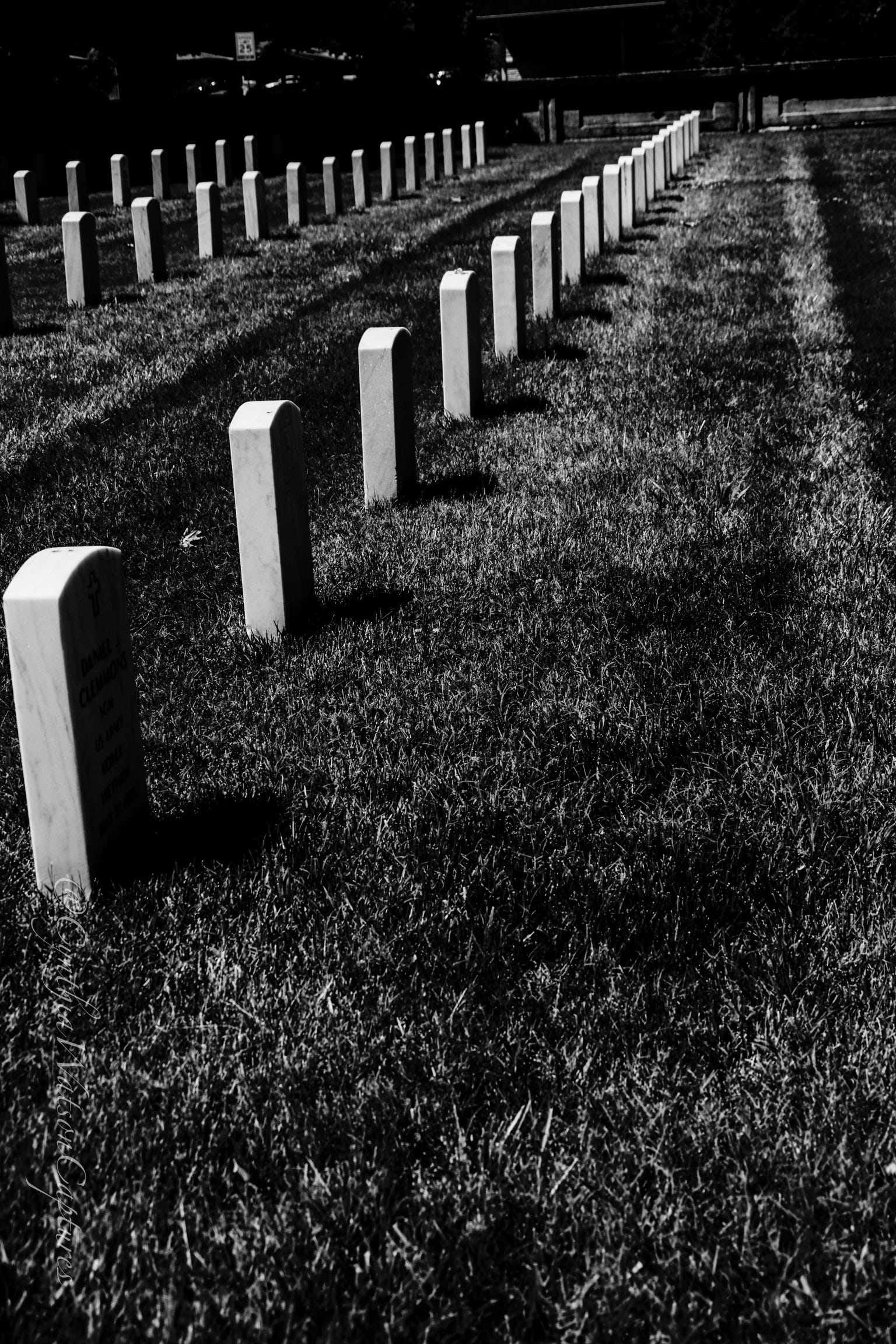
Look not just at the many rows of gravestones but at the individual names. Ask yourself what one of those individuals mentioned on a headstone did not get to experience in life—birth of a child or grandchild, support of a parent, a satisfying career in a chosen field or a fulfilling marriage. Consider the pain the family of that individual suffered as Thanksgivings rolled around with one chair fewer filled by a family member.
My point today is to reflect on the sacrifices fellow citizens made on our behalf throughout this nation’s history, particularly as we approach our 250th anniversary celebrations this summer. Controversies abounded regarding the use of the military instrument in our name over the years, yet we too often assume it’s a decision that is over and done with. Instead, applying the use of force has long-running consequences, at home and abroad.
Our local community, likely with a higher number of veterans than many places, does not hold a 4th of July party; instead, we gather for Memorial Day. This year’s organizer and speaker, a nurse who traveled almost sixty years ago with burned victims from Vietnam to Brooks Air Force Base for the specialized hospital to treat that horror, mentioned something I have noted for years among the many veterans I encounter. She observed that she appreciates people thanking her for her service, but wishes those expressing the sentiment would take time to reflect on the ultimate sacrifice made by so many in war. I don’t think I have ever encountered a veteran who would not respond precisely as she did. Those who served want us who don’t to grasp what responding to the nation’s, rather than any individual’s, call requires.
Thank you for reading Actions Create Consequences today—or any other day. I welcome your reflections, observations, or rebuttals. Please feel free to chime in on any part of this as I welcome your views.
Be well, appreciative, and safe. FIN
I cannot imagine your thinking upon recognizing that date. Thanks for the anecdote, Jim! This piece is receiving more commentary than usual, which delights me.
Thank you, Chip! I thought I posted it yesterday but wanted to ensure I shared it.
Hoping you are thriving.
Cynthia